
A Single Story
By Sophia DeGregorioIn one of my most beloved TED Talks, Chimamanda Ngozi Adichie describes "the danger of the single story."
She explains that a single story is often built on power, the assumption that one kind of person is "greater than another." For me, one of the most persistent single stories has been the story of male dominance in STEM fields. This has been a challenge for me since elementary school.
I spent a large part of my early childhood at a chessboard.
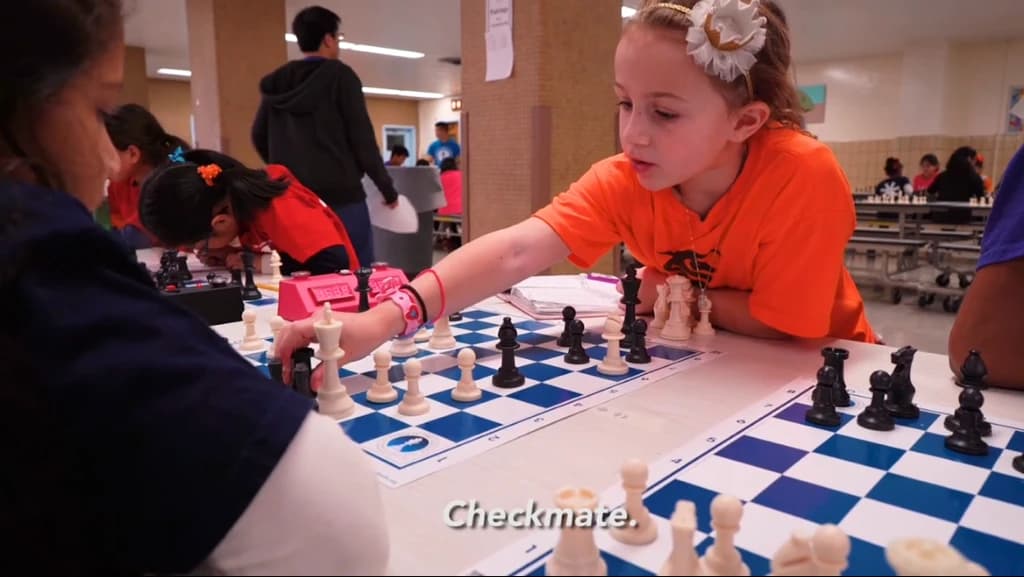
Checkmating my opponent in the Her Move Next documentary.
Around age nine, I began to understand something I hadn't fully noticed before: I was often the only girl in the room. This photo captures that reality perfectly:
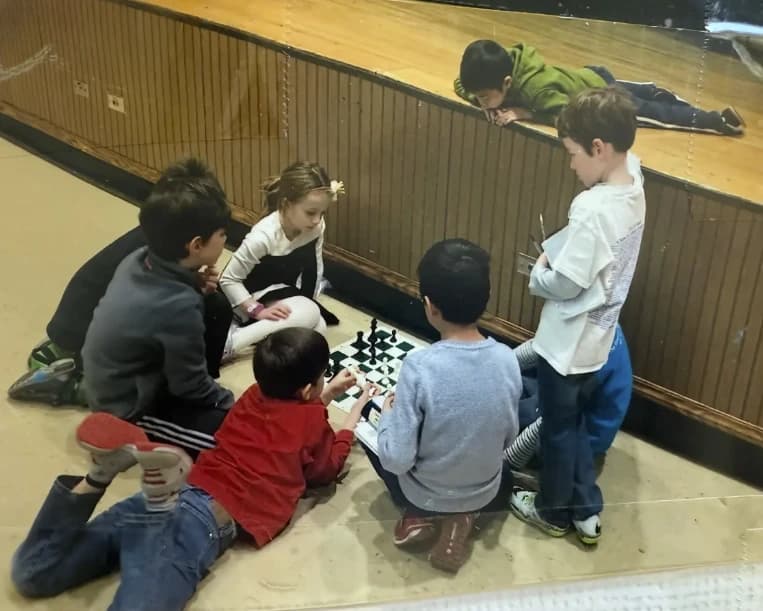
I am surrounded by boys at a chess tournament, visible but outnumbered. While it looks like a simple snapshot, for me it represents the quiet pressure of being treated like an exception before I even had the words to explain it.
I still remember my first chess tournament. I walked into the competition hall and did not see anyone who looked like me: all the other competitors were male. Before my last game, my opponent made fun of me for being a small girl. Tears welled up in my eyes, but I refused to give him the satisfaction of seeing me cry. I played anyway. By the end, there was no way for him to stop me from winning, so instead of letting me, a girl, beat him at the board, he chose to lose by running out of time. I won, but what stayed with me wasn't just the victory. It was the realization that he would rather fail than accept me as equal.
I wanted to quit, but I was very fortunate to become a part of an all-girls school chess team at PS 33, Chelsea Prep. We went on to win the Girls Chess Nationals, beating top private schools in Manhattan.
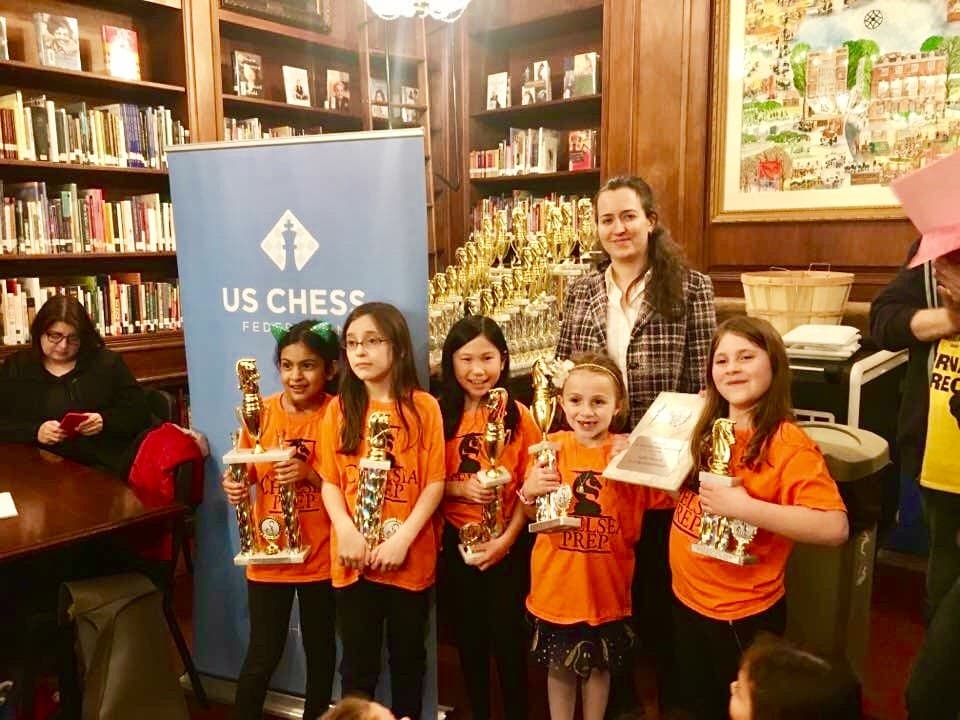
My all-girls team, pictured with Grandmaster Irina Krush.
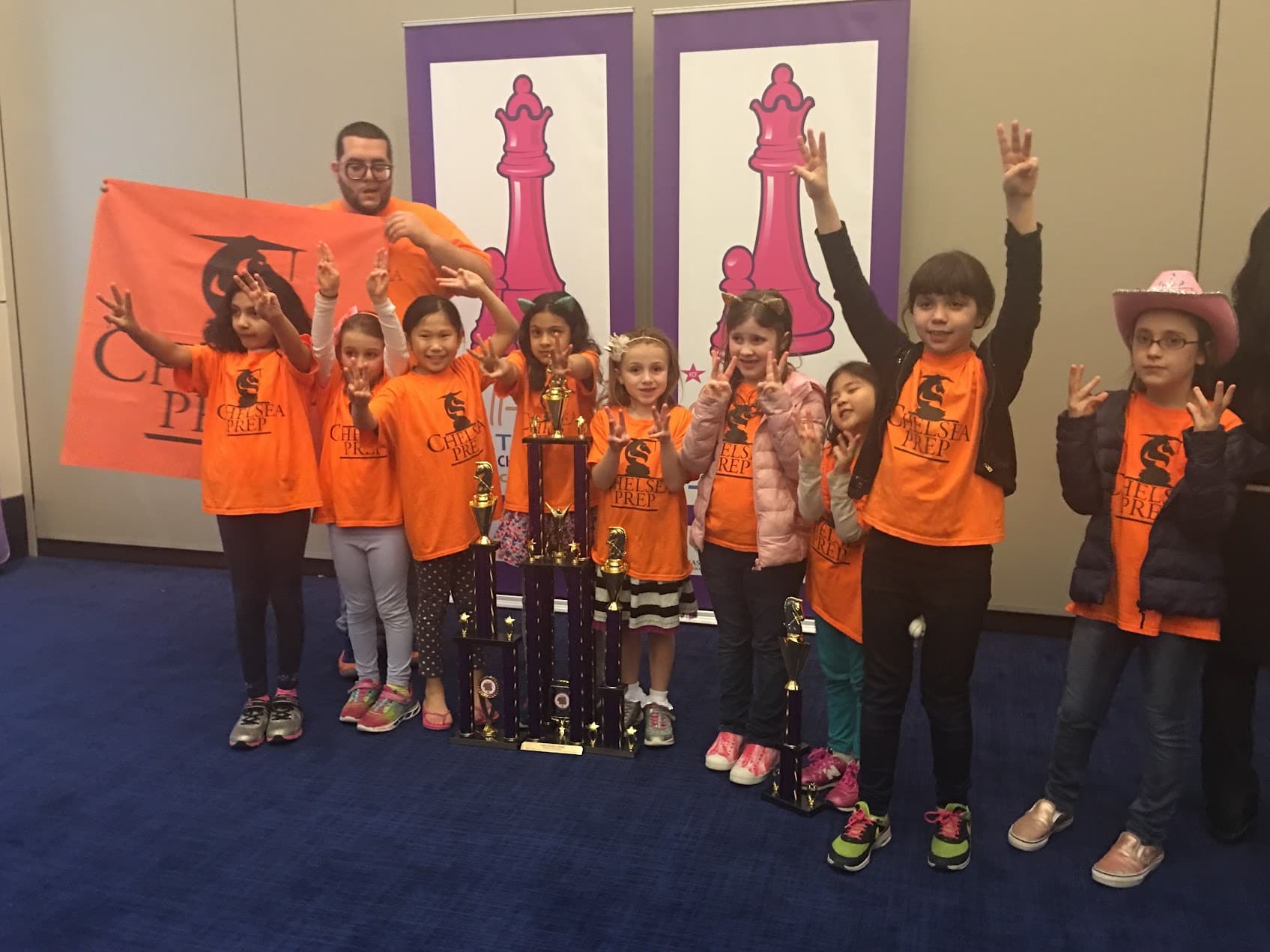
The Underdogs: Winning the Girls Chess Nationals and finally finding a sense of belonging.
Our underdog story was featured in a documentary called Her Move Next. The film captures what saved me: friendship, community, and mentorship that made a male-dominated space feel possible. Her Move Next later won the People's Choice Award at the Feminista Film Festival; standing on stage with my teammates as we were called "feminist icons" is a moment I will never forget.
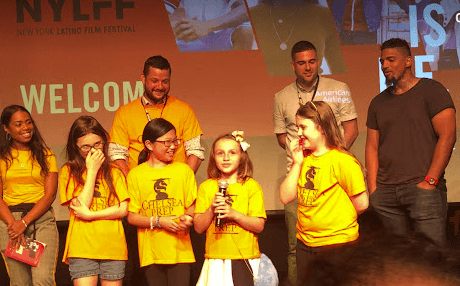
Speaking at the premiere of the documentary Her Move Next.
In high school, the "single story" followed me, this time into mathematics. The first time I looked around my math team, it hit me how much it lacked female representation.
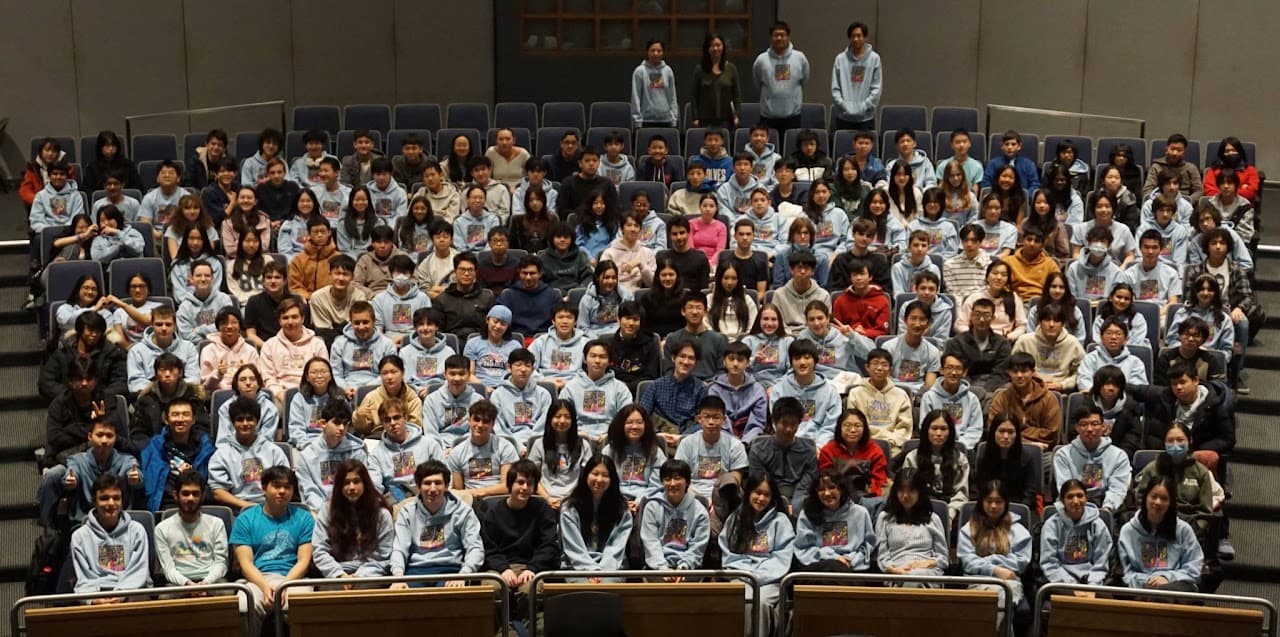
Only about a quarter of the Stuyvesant Math Team's members are girls.
As a freshman, one of my favorite experiences was traveling with other girls to participate in Girls in Math at Yale. Seeing girls excel and compete in a space designed to celebrate them was powerful, not because girls need a separate platform forever, but because representation creates confidence. It creates momentum, just like my all-girls chess team did years before.
Now as a senior and Captain of the Stuyvesant Math Team, I focus on building that momentum, especially through serving as a Problem/Puzzle Writer at GEMS (Girls Empowered in Mathematics at Stuyvesant). I make it a priority to support female and nonbinary students, to answer questions seriously, and to encourage more girls to try out, even if they feel nervous, even if they feel like they don't belong yet.
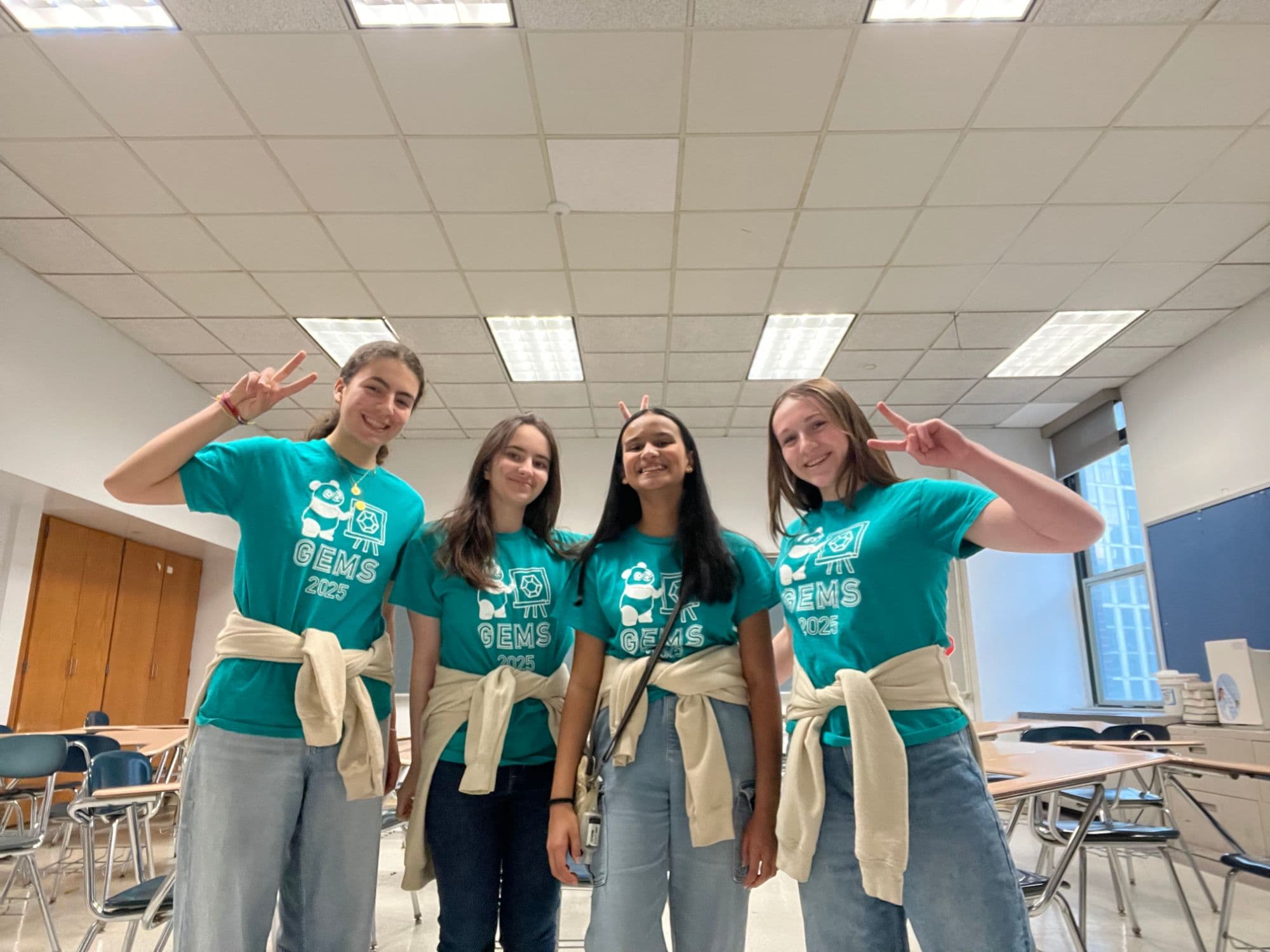
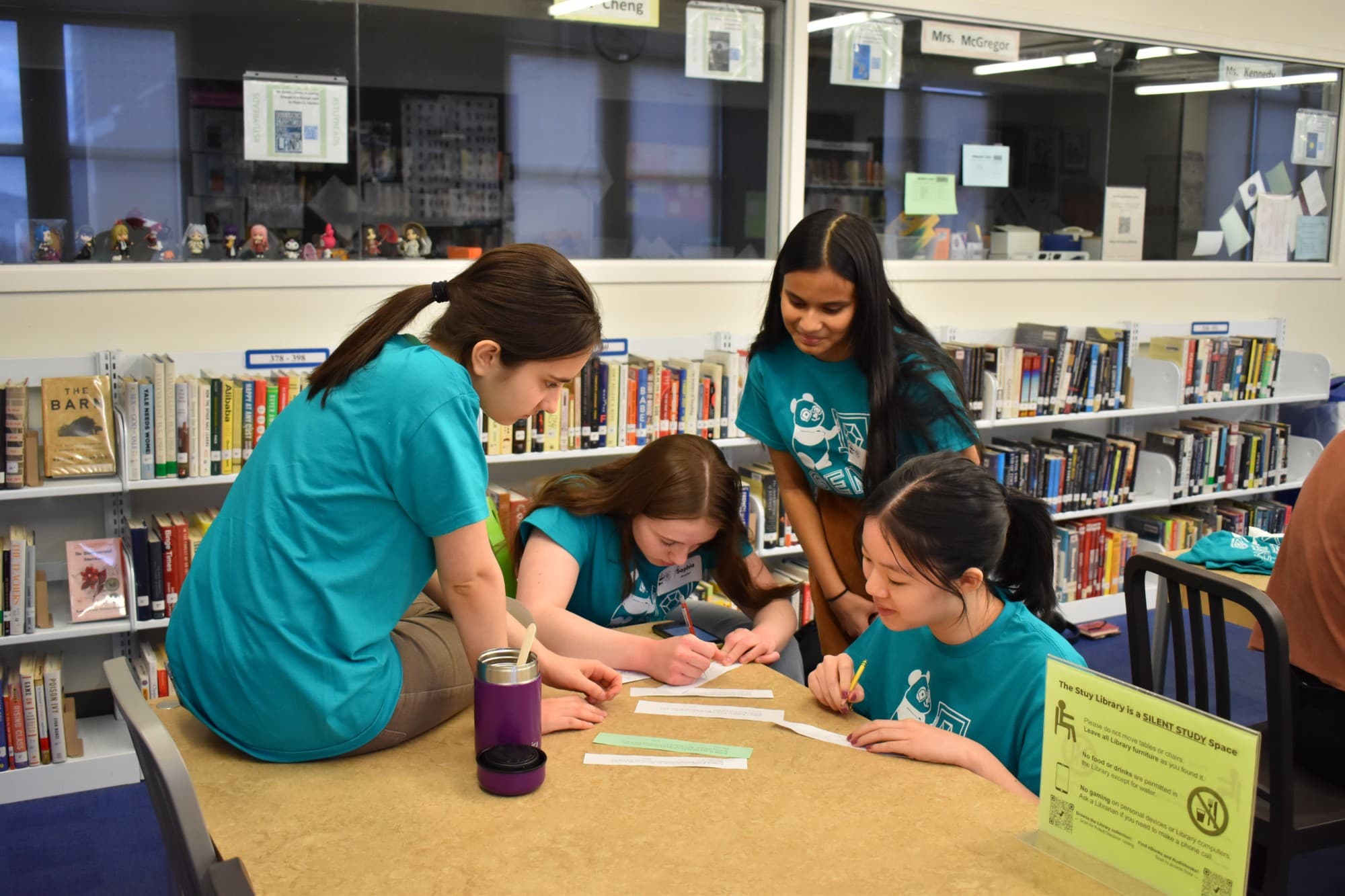
Writing problems with my fellow GEMS Problem/Puzzle Writers.
I cannot say I have solved the single story of male dominance in STEM. I don't think anyone can solve it alone. But I do think I have learned how to push back against it by showing up visibly and staying in the room. I have not lost hope. If anything, I have learned that the most powerful way to fight a single story is to refuse to live inside it and to make sure other girls don't have to either.